ISO 9001:2000
TL;DR: Talc for paints is a functional, platy mineral extender widely utilized by coatings chemists to enhance film reinforcement, regulate viscosity, and improve barrier protection. Because of its natural lamellar structure, chemically inert character, and balanced oil absorption, industrial talc powder reduces mud cracking, improves brushability, and acts as an efficient dry-hiding aid alongside prime pigments like titanium dioxide.
Why is talc for paints an essential functional extender?
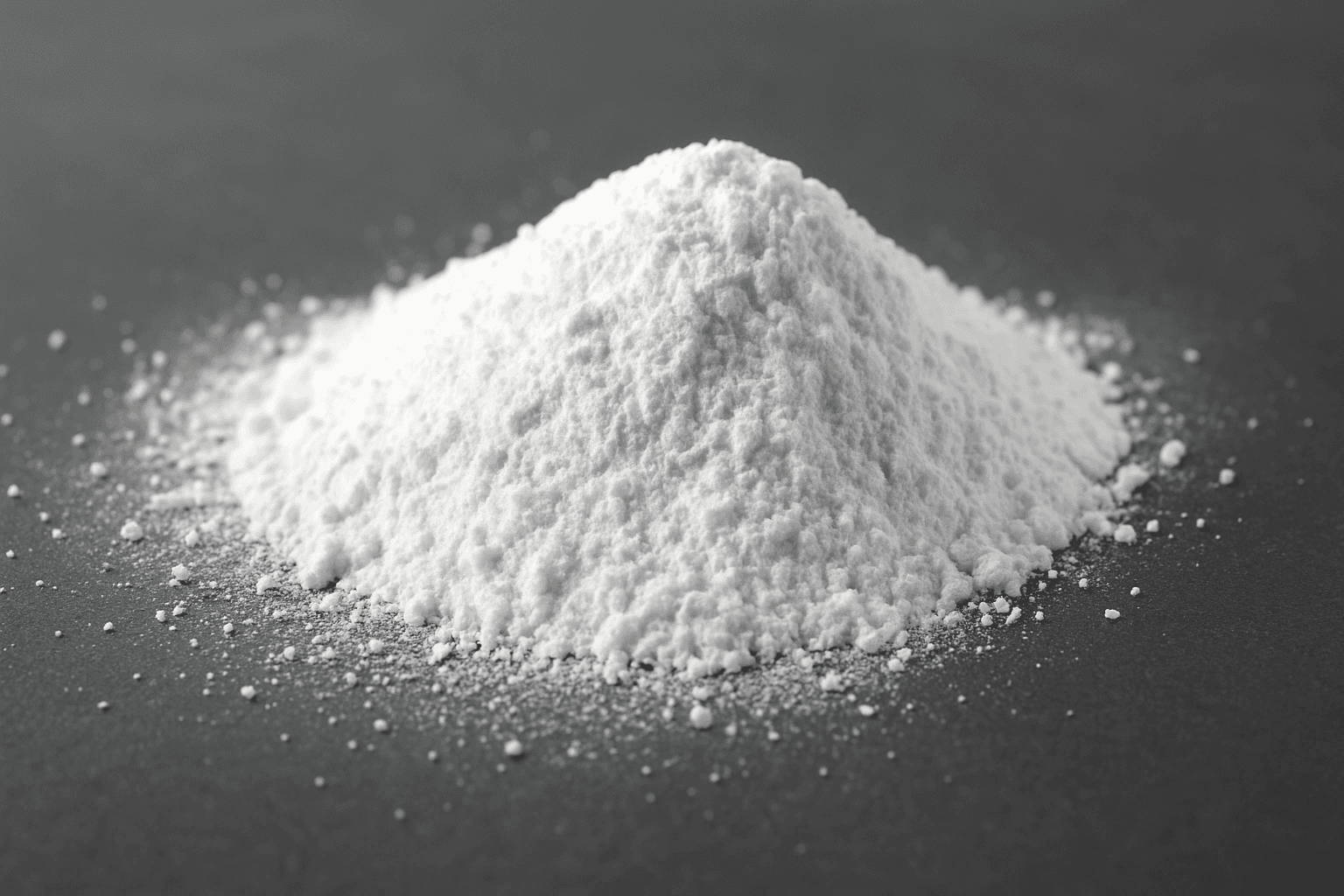
In architectural and industrial coatings, formulators rely on functional fillers not merely to displace binder volume, but to enhance coating integrity and application behavior. Talc is a hydrous magnesium silicate renowned for its natural hydrophobicity, chemical inertness, and distinctly platy morphology. When incorporated into solvent-borne or water-borne systems, talc powder aligns horizontally within the drying resin matrix, creating an overlapping lamellar structure. This physical orientation serves as an effective physical barrier against moisture permeation, chemical attack, and atmospheric weathering. Furthermore, talc reduces the internal stress that develops during solvent evaporation or latex coalescence, mitigating common film failures such as micro-cracking, checking, and peeling. Paint formulation chemists also leverage talc to enhance intercoat adhesion, as the microscopic leaf-like particles provide mechanical tooth for subsequent coats. For both interior wall paints and demanding exterior masonry coatings, talc provides structural stability, long-term durability, and predictable leveling properties across varying ambient conditions.
How the lamellar structure reinforces paint films and controls sagging
The unique value of talc in coating rheology stems directly from its high-aspect-ratio, plate-like crystalline habit. In a liquid paint dispersion, these lamellar particles interact under low-shear conditions to establish a loose, reversible physical network. This thixotropic behavior imparts structural body to the wet coating, providing excellent sag resistance on vertical surfaces without causing excessive drag under high-shear roller or brush application. Once applied, the paint levels smoothly before settling, preventing brush marks while stopping drips and edge pull. As the film cures, the overlapping mineral plates act as mechanical reinforcing plates distributed throughout the polymer matrix. This leafing effect distributes mechanical tension evenly, significantly elevating tensile strength, flexibility, and scrub resistance. The barrier formed by the oriented plates also extends corrosion protection in protective primers by forcing corrosive agents into a tortuous, convoluted diffusion pathway. Consequently, formulators obtain enhanced anti-corrosion defense alongside dependable anti-settling stability during container storage.
How does talc powder influence gloss control and titanium dioxide efficiency?
Managing optical performance and cost requires strict control over raw material interactions, particularly regarding titanium dioxide (TiO2) spacing and sheen. Talc functions as an effective matting agent in architectural finishes, allowing formulators to achieve consistent low-sheen, eggshell, and dead-flat finishes without relying entirely on synthetic silica flatting agents. The micronized plates introduce controlled micro-roughness across the surface of the dry paint film, scattering incident light evenly. Beyond sheen reduction, platy talc particles position themselves between prime pigment particles, preventing TiO2 agglomeration during film formation. This optical spacing mechanism maximizes light scattering and increases dry hiding power, enabling coatings chemists to lower prime white pigment consumption without compromising opacity or whiteness. Paint formulators evaluate talc loading relative to critical pigment volume concentration (CPVC). Because talc affects binder demand, adjusting its addition level enables chemists to fine-tune film porosity, scrubability, and vapor permeability while keeping formulation costs within required commercial parameters across diverse interior and exterior paint lines.
Key technical specifications: fineness, oil absorption, and brightness
Selecting the correct grade of talc requires careful evaluation of core technical parameters to ensure processing compatibility and film performance. Formulators evaluate particle size distribution (PSD), oil absorption, and mineral purity. CMIPL supplies talc powder customized for specific industries. Paint chemists typically review the following quality criteria, and should ask the supplier for the figures of the grade they plan to use:
Brightness and Whiteness: High brightness grades prevent color shifting in pastel and pure-white bases, while off-color talcs are frequently reserved for dark industrial primers or protective maintenance coatings.
Chemical Purity and Loss on Ignition: Low acid-soluble content and low moisture pick-up are essential to avoid premature can corrosion, emulsion destabilization, or water sensitivity in dried films.
Comparing talc with calcium carbonate and kaolin in architectural coatings
Formulators frequently combine multiple functional fillers to balance rheology, hardness, opacity, and raw material costs. While precipitated calcium carbonate and activated calcium carbonate are recognized for high brightness, purity, and polymer integration, talc provides distinct physical reinforcement. The table below outlines how common mineral extenders compare in paint applications:
Mineral Extender | Primary Particle Morphology | Key Rheological Contribution | Film Performance Benefit | Common Formulation Role |
|---|---|---|---|---|
Industrial Talc | Platy / Lamellar (plate-like) | Thixotropic, anti-sagging, high leveling | Reinforcement, moisture barrier, mud-crack resistance | Primers, exterior emulsions, flat finishes |
Calcium Carbonate (PCC/GCC) | Nodular, rhombohedral, or scalenohedral | Low viscosity, high loading capacity | High dry brightness, opacity, tint retention | Bulk extender, interior flats, sheen adjustment |
Calcined Kaolin | Aggregated plate-like particles | Moderate thickening, structural viscosity | High dry opacity, TiO2 extension, film hardness | Scrub-resistant emulsions, high-opacity flats |
Selecting the appropriate mineral depends on whether the coating demands mechanical elasticity, low viscosity, or enhanced barrier protection.
Frequently asked questions
Why is talc used as an extender in paint formulations?
Talc is used because its lamellar, platy structure reinforces paint films, prevents mud cracking, and controls sagging on vertical surfaces. It also acts as an economical matting agent and prime pigment spacer, improving dry hiding while providing barrier protection against moisture.
How does the platy structure of talc prevent cracking and sagging?
The overlapping plates interlock under low shear to build thixotropic structure, preventing wet coatings from running or sagging before cure. As the film dries, these aligned mineral platelets absorb internal tensile stresses, arresting micro-cracks and elevating scrub resistance.
What mesh size or micron rating of talc is ideal for coatings?
The right fineness depends on the coating. Finer grades suit smooth, low-sheen finishes, and coarser grades suit primers and textured coats. Ask the supplier for the particle size distribution and mesh size of the grade, and test it in your own formulation.
How does talc improve corrosion resistance in primers?
The horizontal leafing of platy talc particles forms an impermeable physical barrier within the binder. This structural arrangement forces water, oxygen, and corrosive ions into a winding path, delaying their contact with the underlying metallic substrate.
Can talc reduce titanium dioxide consumption in paints?
Yes, micronized talc particles sit between titanium dioxide crystals, preventing optical crowding and pigment agglomeration. This spatial distribution maximizes light scattering and dry opacity, allowing chemists to lower prime white pigment content safely.
How does talc affect paint rheology and storage stability?
Talc imparts slight thixotropy, improving can stability by keeping heavier prime pigments suspended in the resin matrix. This helps prevent hard settling during warehousing while maintaining buttery brushability during application.
How is talc powder pricing determined for industrial orders?
Because mineral specifications vary by particle size distribution, purity, and volume, pricing is quoted per order based on volume, delivery, and specification.
Which industries does CMIPL supply with customized minerals?
CMIPL delivers mineral solutions to industries including paints and printing inks, PVC, paper, steel, plastics, adhesives and sealants, and water treatment.
Contact CMIPL to discuss the talc grade, mesh size and volume for your paint or coating.