ISO 9001:2000
TL;DR: Activated calcium carbonate (ACC) is an ultrafine, surface-modified synthetic mineral filler produced by treating precipitated calcium carbonate slurry with fatty acids such as stearic acid and titanate coupling agents. Designed for polymer compounding and chemical formulations, ACC converts naturally hydrophilic calcium carbonate particles into hydrophobic functional additives that disperse thoroughly in resin matrices. Chemical & Mineral Industries Private Limited (CMIPL) manufactures five primary ACC grades—Vical-S, Vical-S1, Vical-SF, Vical-C, and Vical-T—developed to improve melt flow, impact strength, and surface gloss across PVC pipes, profiles, plastics, rubber, adhesives, and printing inks.
What Is Activated Calcium Carbonate?
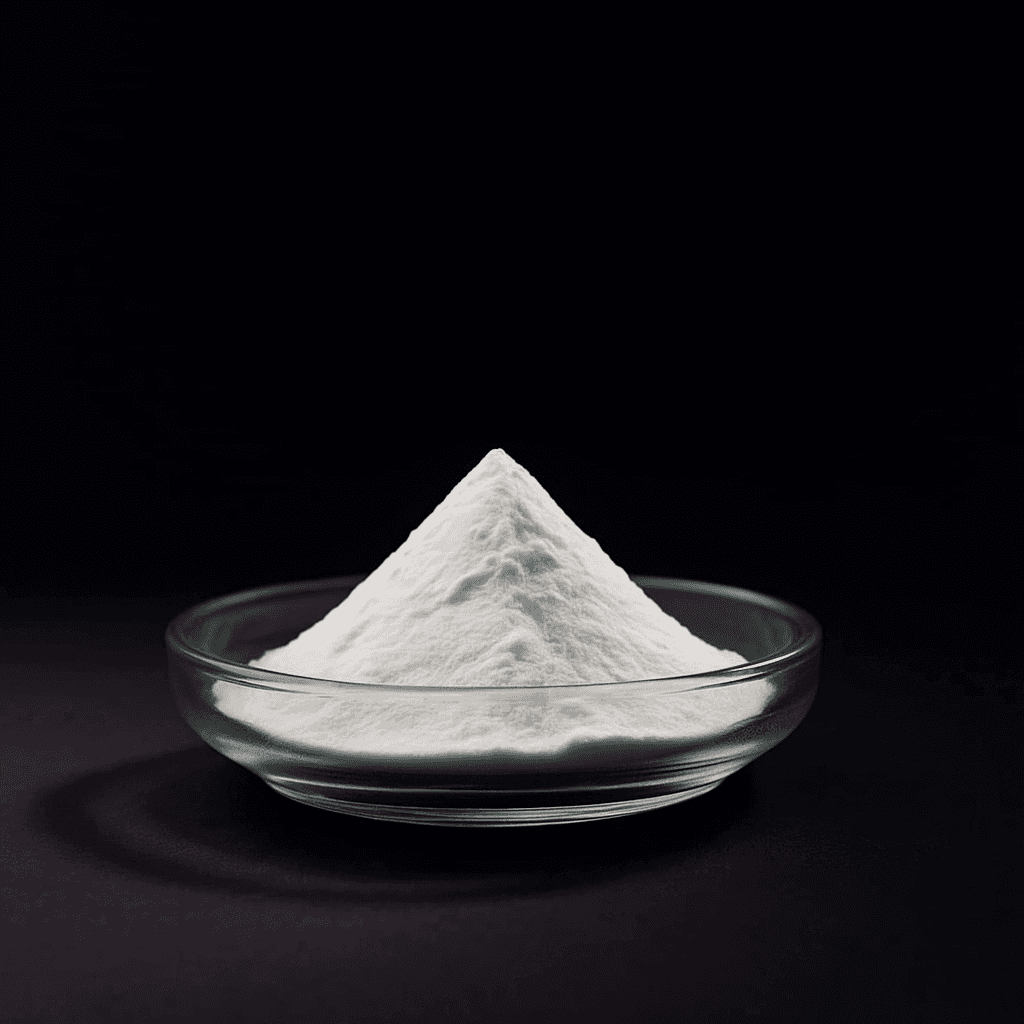
Activated calcium carbonate is an ultrafine synthetic calcium carbonate that undergoes chemical surface coating to change its surface energy from hydrophilic to hydrophobic. In industrial polymer compounding and chemical production, mineral fillers are necessary for cost control, dimensional stability, and mechanical reinforcement. However, untreated mineral carbonates exhibit a naturally polar, water-attracting surface that resists wetting and blending in non-polar synthetic matrices such as polyvinyl chloride and elastomers.
When processors attempt to incorporate untreated mineral fillers into organic polymer melts, the particles tend to agglomerate. This agglomeration leads to uneven distribution, stress-concentrating micro-voids, elevated compound viscosity, and brittle structural failures. By applying an organic surface treatment to synthetic calcium carbonate particles, manufacturers produce a functional additive that chemically interfaces with organic polymers. In applications such as activated calcium carbonate for pvc, this surface modification transforms the mineral from a passive volume extender into an active component that enhances mechanical strength, flow characteristics, and surface finish across extruded profiles, rigid pipes, and technical compounds.
How Activated Calcium Carbonate Is Manufactured
The manufacturing process of activated calcium carbonate involves precise multi-stage chemical synthesis, starting from raw mineral extraction through carbonation and organic surface coating. High-purity natural limestone is calcined in lime kilns to yield quick lime (calcium oxide). The quick lime is slaked with water to create a calcium hydroxide slurry, which is then carbonated by introducing carbon dioxide gas. At CMIPL, carbon dioxide emissions produced during the calcination process are captured and 100% reused in precipitated calcium carbonate manufacturing, maintaining an integrated closed-loop carbonation cycle.
During the carbonation stage, crystal morphology, particle size distribution, and crystalline structure are regulated by controlling reactant concentration, reaction temperature, and timing. Before the resulting precipitated calcium carbonate (PCC) slurry is dewatered, it is surface-treated with fatty acids, primarily stearic acid, alongside titanate coupling agents. The chemical surface treatment binds organically to the freshly formed crystal lattices while still suspended in the liquid phase. The coated PCC slurry is then filtered and dried under controlled thermal conditions to produce dry, free-flowing activated calcium carbonate powder.
Surface Modification Chemistry: Stearic Acid and Coupling Agents
The effectiveness of activated calcium carbonate depends on the chemical bonding achieved during surface activation. Untreated calcium carbonate particles carry high surface free energy and polar hydroxyl groups, causing strong particle-to-particle attraction through hydrogen bonding and electrostatic forces. To eliminate these agglomerating forces, fatty acids like stearic acid are introduced into the slurry alongside titanate coupling agents.
During this reaction, the carboxylic acid head of the stearic acid molecule anchors chemically to the calcium sites on the mineral crystal surface. Meanwhile, the non-polar, long-chain aliphatic hydrocarbon tails extend outward away from the crystal face. This structural orientation creates an organic protective sheath around each mineral particle. The outward-facing hydrocarbon tails lower interfacial surface tension between the mineral filler and non-polar polymers. When utilized in activated calcium carbonate for pvc compounding, this chemical barrier prevents filler re-agglomeration, enhances resin wetting, and permits individual particles to separate smoothly and disperse uniformly under standard compounding shear.
Processing Benefits: Melt Rheology, Extrusion Torque, and Tool Wear
Incorporating activated calcium carbonate delivers measurable improvements in polymer melt behavior and machine processing efficiency compared to standard uncoated fillers. The organic fatty acid coating chemically bonded to ACC functions as an internal processing aid and lubricant within the polymer matrix. By reducing internal friction between polymer chains and mineral particle faces, ACC lowers overall melt viscosity, head pressure, and extrusion torque during profile and pipe extrusion.
Lower processing torque translates into reduced mechanical friction and energy consumption across manufacturing lines. Furthermore, because ACC particles are synthetically precipitated with controlled crystal morphology and surface-coated, coarse abrasive grit is eliminated. This lack of mineral grit, combined with lowered internal shear, reduces mechanical abrasion on extruder screws, barrels, and calibration dies, prolonging equipment operating life. At the extrusion die exit, the smooth melt flow prevents melt fracture and surface roughness, ensuring consistent wall thickness and a smooth, high-gloss finish on finished extruded profiles and technical plastics.
Mechanical Performance: Impact Resistance and Tensile Properties
Beyond processing efficiency, activated calcium carbonate provides reinforcement to rigid and flexible polymers. In rigid polyvinyl chloride formulations, the mechanical behavior of the end product depends directly on filler dispersion. Because ACC particles are ultrafine and organically coated, they integrate tightly into the polymer resin without forming the microscopic voids that commonly occur when uncoated fillers clump together.
When an extruded pipe or profile is subjected to sudden physical shock or mechanical impact, well-dispersed ACC particles act as stress-dissipation centers. The tightly bonded particles absorb mechanical energy and arrest micro-crack propagation through the resin matrix, substantially increasing Izod impact strength and drop-impact resistance. Additionally, uniform stress transfer between the polymer matrix and the hydrophobic mineral surfaces maintains tensile strength and dimensional stability under load. This reinforcement enables pipe and profile extruders to optimize mineral loading ratios without compromising finished product durability, pressure ratings, or compliance with industrial piping standards.
Industrial Applications: PVC, Rubber, Sealants, and Inks
Activated calcium carbonate serves as a multi-functional additive across a diverse range of polymer and chemical formulation sectors:
Rigid PVC Pipes and Fittings: Used to improve impact strength, prevent crack growth, lower extrusion torque, and ensure smooth interior and exterior pipe walls.
PVC Profiles and Technical Plastics: Provides smooth die flow, dimensional stability, and high surface gloss on window profiles, cable trunking, and decorative trims.
Adhesives and Sealants: Functions as a rheology modifier and reinforcing filler, providing thixotropy, slump resistance, and moisture stability in formulation matrices using activated calcium carbonate for adhesives and sealants.
Paints and Printing Inks: Disperses easily in organic binder systems, providing controlled opacity, suspension stability, and viscosity control without gritty agglomerates.
Leather Cloth and Rubber Compounding: Enhances tear resistance, tensile elongation, and compounding flex life while reducing roll stickiness during milling and calendering operations.
CMIPL Activated Calcium Carbonate Grades and Technical Procurement
CMIPL produces a dedicated range of activated calcium carbonate grades developed for polymer processors, rubber compounders, and industrial chemical formulators. The portfolio includes five specialized grades: Vical-S, Vical-S1, Vical-SF, Vical-C, and Vical-T. Each grade is manufactured through controlled precipitation, regulated reactant concentration, precise reaction timing, and surface coating with fatty acids and titanate coupling agents. These grades collectively serve customer requirements across rigid PVC pipes, profiles, polymer masterbatches, adhesives, sealants, paints, printing inks, and rubber compounding.
When evaluating ACC grades for procurement, buyers assess critical parameters including coating completeness, active fatty acid content, bulk density, moisture pickup, and dispersibility in specific resin systems. Pricing for all industrial mineral grades is quoted per order based on purchase volume, packaging specifications, and delivery destinations. CMIPL, founded in 1967 in Jodhpur, India, holds ZED certification from the Ministry of MSME and operates three lime kilns with a combined production capacity of 1,200 TPD.
Frequently asked questions
What is the difference between precipitated calcium carbonate (PCC) and activated calcium carbonate (ACC)?
Precipitated calcium carbonate is an ultrafine synthetic calcium carbonate with an uncoated, hydrophilic surface that mixes easily in water-based systems. Activated calcium carbonate is produced by taking PCC slurry and treating it with fatty acids and coupling agents, resulting in a hydrophobic powder that disperses thoroughly in non-polar polymers and organic resins.
Why is stearic acid used to coat activated calcium carbonate?
Stearic acid acts as an organic surface modifier whose polar head binds to calcium sites on the mineral crystal while its non-polar tail extends into the compounding matrix. This chemical shield prevents mineral particles from agglomerating and lowers interfacial tension, allowing the filler to wet out and disperse in hydrophobic polymers like PVC.
How does activated calcium carbonate improve the impact strength of PVC pipes?
Because ACC particles are ultrafine and thoroughly dispersed without forming dry agglomerates or micro-voids, they integrate cleanly into the PVC resin matrix. When the finished pipe is subjected to mechanical impact, these well-bonded particles dissipate stress energy and arrest crack propagation throughout the polymer structure.
How does ACC reduce extruder wear during polymer processing?
The fatty acid surface treatment on ACC functions as an internal processing aid that lowers melt viscosity and reduces friction inside the processing machinery. By decreasing head pressure and extrusion torque while eliminating coarse abrasive mineral grit, ACC reduces mechanical wear on extruder barrels, screws, and calibration dies.
What specific ACC grades does CMIPL produce?
CMIPL manufactures five primary activated calcium carbonate grades: Vical-S, Vical-S1, Vical-SF, Vical-C, and Vical-T. These grades feature controlled crystal morphology and surface modification designed for industrial applications across PVC pipes, profiles, plastics, adhesives, sealants, inks, and rubber compounding.
Which industries utilize activated calcium carbonate?
ACC is widely used in the rigid PVC pipe, profile, and conduit sector, polymer compounding and masterbatch production, adhesives and sealants, paints and printing inks, and the rubber and synthetic leather cloth industries.
How should industrial buyers specify technical requirements when inquiring about ACC?
Buyers should define their target resin matrix, processing method, required surface modification level, bulk density, and fineness requirements. CMIPL evaluates these manufacturing parameters to quote pricing and supply the appropriate Vical grade based on volume, packaging, and logistical requirements.
Contact CMIPL to discuss your compounding requirements and request pricing for commercial shipments of activated calcium carbonate.