ISO 9001:2000
TL;DR: Talc powder is a naturally occurring hydrated magnesium silicate mineral valued for its softness, chemical inertness and lubricity. Chemical & Mineral Industries Pvt. Ltd. (CMIPL), based in Jodhpur, Rajasthan, supplies talc powder customized for specific industries, including cosmetics and personal care, paper manufacturing, coatings and polymer compounding.
What Is Talc Powder and What Are Its Core Mineral Properties?
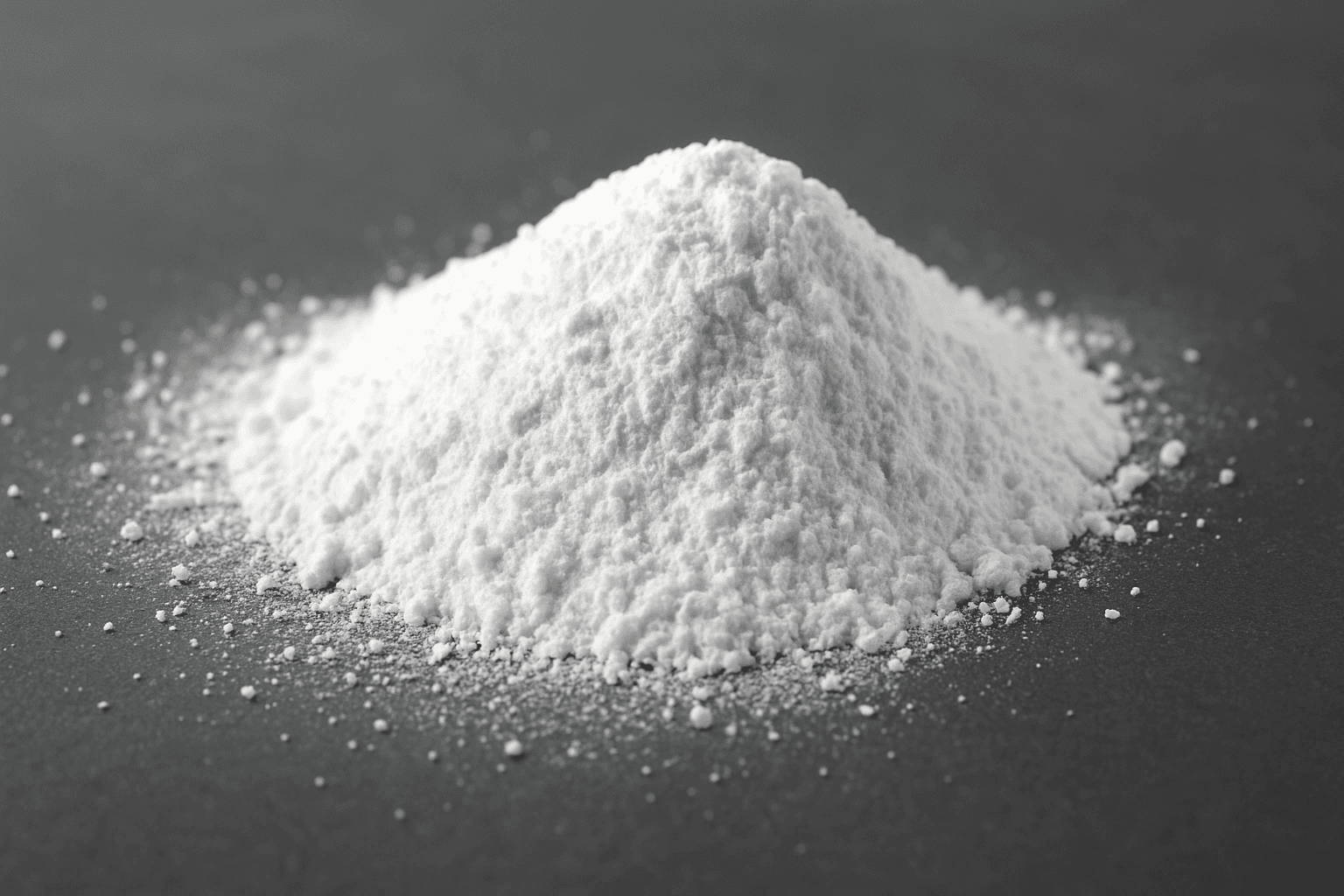
Talc powder is produced from natural talc ore, the softest known mineral on the Mohs hardness scale. Chemically a hydrated magnesium silicate, talc has a platy, lamellar structure that gives it hydrophobic properties, slip and chemical inertness. These traits make it a versatile functional filler, anti-sticking agent and processing aid. Processors value talc for improving mechanical stability, reducing thermal expansion and adding smoothness to finished materials.
CMIPL manufactures and exports industrial minerals from Jodhpur, Rajasthan. Alongside quick lime and precipitated calcium carbonate, CMIPL supplies talc powder customized for specific industries to meet individual buyer requirements.
Talc for Cosmetics and Personal Care Formulations
In personal care, cosmetic talc is an established ingredient in body powders, pressed eye shadows, face foundations and deodorants. Its natural lubricity gives smooth spreadability, a matte finish and moisture absorption without reacting with other ingredients in the formulation. Formulators need clean mineralogical profiles and consistent particle structure to keep creams, pressed cakes and loose powders stable.
CMIPL supplies raw materials to the personal care, food and pharmaceutical sectors, including precipitated calcium carbonate for toothpaste. Cosmetic sourcing managers can discuss their talc specifications directly with the CMIPL sales team.
Talc in Pulp and Paper Processing
In pulp and paper mills, talc plays two roles: pitch control and sheet filling. Its organophilic, hydrophobic surfaces bind sticky wood pitch, micro-stickies and resins during pulping, preventing deposits on wires, felts and paper machines. Used as a filler or coating pigment, talc improves sheet opacity, smoothness, brightness and ink holdout in printing papers.
CMIPL has long supplied the pulp and paper industry with high purity quick lime and PCC Vical-D for recausticizing, paper filler and coating, and understands the balance paper mills manage between retention, drainage and sheet strength.
Talc for Polymers, Coatings and Ceramics
Industrial talc powder is also an important additive in thermoplastics, automotive polypropylene, architectural coatings and ceramics. In plastics, talc platelets act as reinforcement, raising flexural modulus, heat deflection temperature and dimensional stability. In paints and primers, talc improves barrier resistance against corrosion, controls viscosity and provides a flatting effect. Each application needs talc matched to its own processing requirements, which is why CMIPL supplies talc customized for specific industries. Buyers can also explore CMIPL's wider mineral products, including activated calcium carbonate, precipitated calcium carbonate and quick lime.
Quality and Supply
CMIPL was the first PCC ISO 9001:2008 company and is ZED Certified by the Ministry of MSME of India. It operates three lime kilns in Jodhpur with a combined capacity of 1200 TPD, and reuses 100% of the CO2 from limestone calcination in PCC manufacturing.
Frequently asked questions
Where can industrial buyers procure talc powder?
Industrial formulators and sourcing managers can procure talc powder directly from mineral manufacturers such as Chemical & Mineral Industries Pvt. Ltd. (CMIPL), which supplies customized orders from Jodhpur, Rajasthan, based on buyer requirements.
What chemical compound is present in talc powder?
Talc powder is hydrated magnesium silicate, Mg3Si4O10(OH)2. Its silicate sheet structure gives talc its natural softness, chemical inertness and hydrophobic surface.
How is talc utilized in pulp and paper manufacturing?
In papermaking, talc is used for pitch and stickies control and as a filler or coating pigment. Its organophilic surface adsorbs wood resins to prevent equipment fouling while improving paper opacity, smoothness and printability.
What role does talc play in personal care and cosmetic products?
In cosmetics, talc serves as a bulking agent, texture enhancer and moisture absorber in foundation, face powders and body powders. It provides slip, skin adherence and a smooth feel without reacting with cosmetic pigments or oils.
What is the difference between cosmetic grade talc and industrial filler talc?
Cosmetic grade talc requires strict mineralogical purity, controlled microbial levels, high whiteness and the complete absence of fibrous contaminants such as asbestos. Industrial filler grades prioritize reinforcement, lamellar aspect ratio, particle size distribution and compatibility with polymers or paint resins.
Can CMIPL supply talc powder customized for specific industry needs?
Yes. CMIPL supplies talc powder customized for specific industries based on buyer requirements, alongside its lime and calcium carbonate products.
Contact the CMIPL sales team to discuss your talc powder specifications and receive a quotation.
Last updated: 2026-10-24