ISO 9001:2000
TL;DR: PCC powder is precipitated calcium carbonate: an ultrafine synthetic powder with controlled particle size and high purity. Paint and ink formulators look for it when they need whiteness, fine particles and consistent lots. CMIPL makes PCC (Vical-D) for paper, food, pharma, cosmetics, toothpaste and rubber, and supplies surface-modified Activated Calcium Carbonate (ACC) for paints, printing inks and plastics. This guide explains the difference so you can pick the right one.
What is PCC powder?
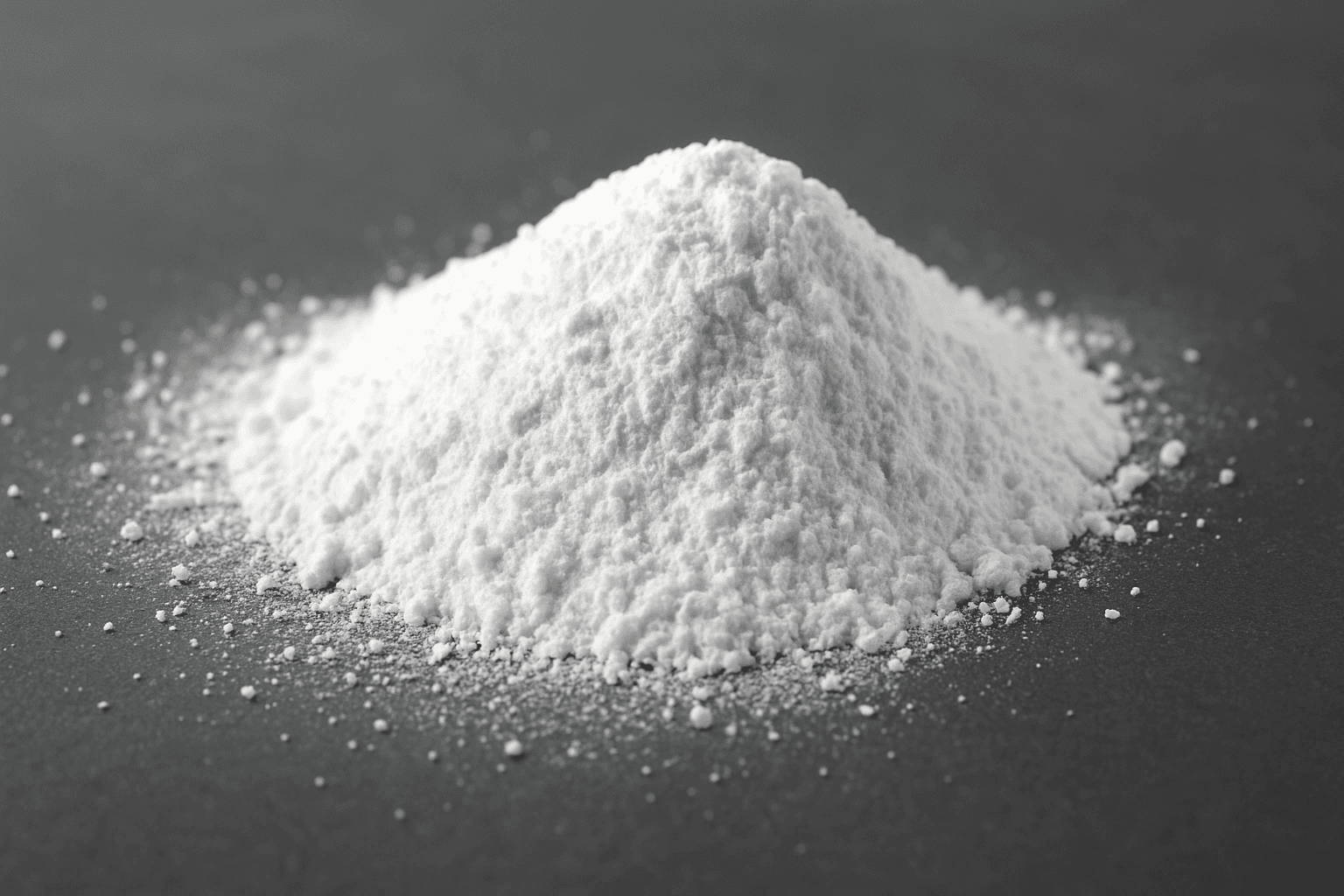
PCC is made by chemical precipitation, not by milling rock. Limestone is calcined in a kiln to make quick lime, the quick lime is slaked, and the slurry is carbonated with CO2. The result is filtered and dried to a pure white powder. At CMIPL, 100% of the CO2 from calcination is reused in this step.
PCC powder vs ground limestone
Ground calcium carbonate is natural limestone crushed to a powder, so its particles vary in size and shape. PCC is built by synthesis, so its particle size, purity and shape are controlled and repeatable from lot to lot. For coatings and inks, that consistency is what formulators are after.
What paint and ink formulators ask of a mineral
Whiteness: no yellowish tint in white and pastel finishes.
Fine, controlled particles: no coarse grit that hurts sheen, texture or print quality.
Lot-to-lot consistency: the same behaviour in every batch.
Predictable flow: consistent viscosity in the formulation.
Ask any supplier for a technical data sheet covering these values for the specific grade, and test it in your own system.
PCC or ACC for paints and inks at CMIPL?
CMIPL's two ranges serve different markets:
PCC Vical-D is supplied to the pulp and paper industry (filler and coating), food, pharma, cosmetics, toothpaste and rubber. See the PCC product page.
Activated Calcium Carbonate (ACC) is calcium carbonate with a surface treatment for polymer compatibility. CMIPL's five Vical grades (Vical-S, Vical-S1, Vical-SF, Vical-C and Vical-T) serve paints, printing inks, plastics, PVC and sealants. See the ACC product page.
So for paint and ink work, start with the ACC grades and discuss your formulation with CMIPL's team. For PVC compounds, see ACC suppliers for PVC masterbatch.
Where it is made
CMIPL operates three lime kilns in Boranada, Jodhpur, with a combined capacity of 1,200 TPD. It was the first PCC company certified under ISO 9001:2008 and is ZED Certified by the Ministry of MSME of India. For indicative cost drivers, see precipitated calcium carbonate price per ton.
Frequently asked questions
What is PCC powder?
PCC powder is precipitated calcium carbonate: an ultrafine synthetic calcium carbonate made by chemical precipitation, with controlled particle size, purity and shape.
How is PCC different from ground calcium carbonate?
Ground calcium carbonate is natural limestone milled into powder. PCC is made by synthesis, which gives more control over particle size, purity and consistency.
Does CMIPL supply PCC for paints and printing inks?
CMIPL supplies its PCC (Vical-D) to paper, food, pharma, cosmetic, toothpaste and rubber users. For paints, printing inks and polymer compounding it supplies Activated Calcium Carbonate (ACC) grades.
What is activated calcium carbonate (ACC)?
ACC is calcium carbonate with a surface treatment that makes it compatible with polymers and resins. CMIPL's Vical ACC range has five grades: Vical-S, Vical-S1, Vical-SF, Vical-C and Vical-T.
How is CO2 handled in CMIPL's PCC production?
CMIPL reuses 100% of the CO2 released during limestone calcination in its PCC manufacturing.
How do I get a data sheet for a grade?
Contact CMIPL with your formulation and the property you need to hit, and the team will share the right technical details.
Last updated: 2026-10-26