ISO 9001:2000
TL;DR: PVC compounders choosing an activated calcium carbonate (ACC) supplier in India need good dispersion, a uniform surface treatment, consistent lots and dependable supply. Chemical & Mineral Industries Pvt. Ltd. (CMIPL) makes surface-modified ACC in five Vical grades (Vical-S, Vical-S1, Vical-SF, Vical-C and Vical-T) at its own kilns in Boranada, Jodhpur, Rajasthan.
What to look for in an ACC supplier for PVC masterbatch
Masterbatch makers run high filler loadings through a polymer carrier. Plain calcium carbonate tends to clump in PVC, which can raise processing torque, wear the screw and spoil the finish of profiles and films. Four things matter when you compare suppliers:
Dispersion: the filler should mix evenly into the resin and plasticizer.
Surface treatment: every lot should be coated the same way.
Consistency: particle size and chemistry that do not drift from lot to lot.
Supply: a producer that can keep an extrusion line running.
CMIPL's Vical ACC grades
CMIPL makes activated calcium carbonate that is surface-modified for polymer compatibility. The Vical range has five grades: Vical-S, Vical-S1, Vical-SF, Vical-C and Vical-T. They are used in PVC, plastics, sealants, adhesives, paints and printing inks. See the ACC product page for details.
Why surface-modified ACC for PVC
Untreated calcium carbonate is water-loving, while PVC resin and its plasticizers are not, so the two do not mix easily. Surface-modified ACC is made to be compatible with the polymer, which helps the filler spread evenly through the melt instead of forming lumps. For masterbatch producers this means steadier processing and a smoother finished product.
ACC beyond masterbatch
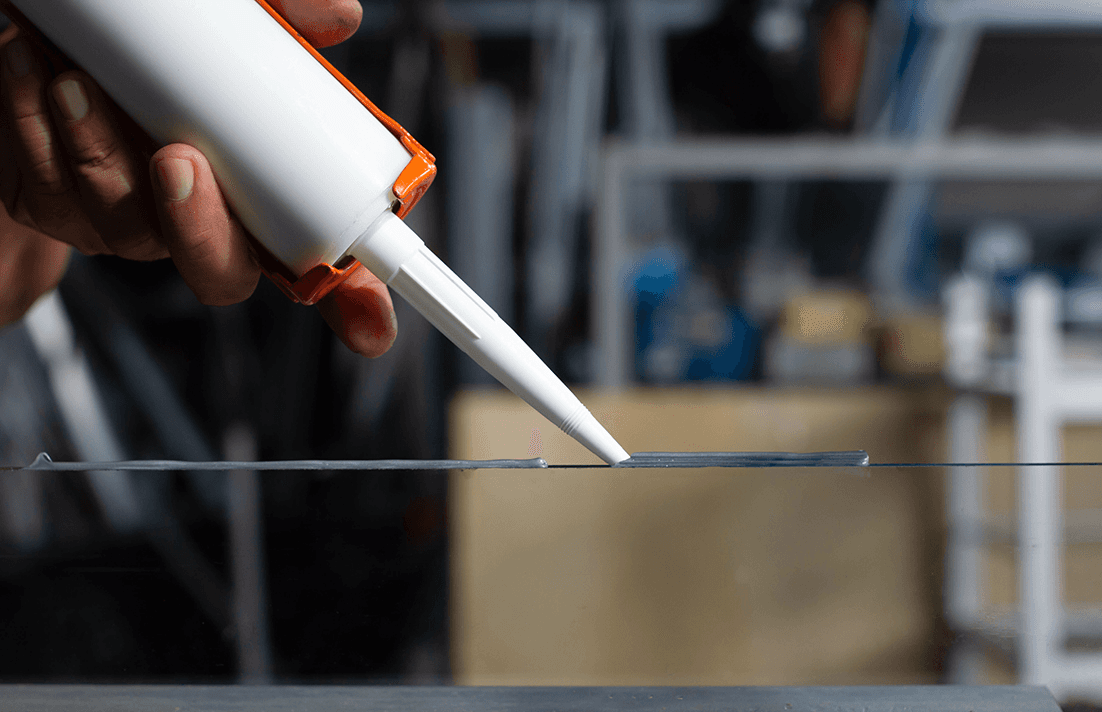
The same grades are used in plastisols, adhesives and sealants, where formulators need controlled flow and stability. See adhesives, sealants and packaging.
Made at CMIPL's own kilns
CMIPL operates three lime kilns in Boranada, Jodhpur, with a combined capacity of 1,200 TPD, and makes the quick lime and CO2 that its calcium carbonate products start from. 100% of the CO2 from calcination is reused in PCC manufacturing. CMIPL was the first PCC company certified under ISO 9001:2008 and is ZED Certified by the Ministry of MSME of India.
How to order
Pricing is quoted per order, based on specification and volume. Contact CMIPL with your masterbatch formulation, filler loading and monthly volume to discuss the right Vical grade and supply schedule.
Frequently asked questions
What ACC grades does CMIPL offer for PVC masterbatch?
CMIPL makes activated calcium carbonate in the Vical series: Vical-S, Vical-S1, Vical-SF, Vical-C and Vical-T. They are surface-modified for polymer compatibility.
Where does CMIPL make its ACC?
CMIPL is based in Jodhpur, Rajasthan, with kilns at Boranada. It operates three lime kilns, including a Twin-D lime kiln, with a combined capacity of 1,200 TPD.
Why does CMIPL's own kiln operation matter to compounders?
CMIPL makes the quick lime and CO2 that its calcium carbonate starts from, and reuses 100% of the calcination CO2 in PCC manufacturing. Controlling those steps supports consistent product and supply.
Is CMIPL a certified supplier?
CMIPL was the first PCC company certified under ISO 9001:2008 and is ZED Certified by the Ministry of MSME of India.
What is the difference between ground and precipitated calcium carbonate?
Ground calcium carbonate is natural limestone milled into powder. Precipitated calcium carbonate is an ultrafine synthetic powder made by chemical precipitation, which gives more control over particle size, purity and surface treatment.
Does CMIPL supply industries other than plastics?
Yes. CMIPL also supplies quick lime and PCC Vical-D to the pulp and paper, metallurgy, chemical, food, pharmaceutical and cosmetic industries.
Last updated: 2026-10-26