ISO 9001:2000
TL;DR: Chemical & Mineral Industries Pvt. Ltd. (CMIPL) manufactures quick lime in fractions from 25-75 mm lumps to 200 Mesh and 300 Mesh powders. Quick lime is used in effluent treatment plants for acidic wastewater neutralization, heavy metal precipitation, and sludge dewatering, where consistent chemical reactivity matters.
Why Effluent Treatment Plants Rely on Quick Lime Suppliers
Effluent treatment plants (ETPs) handle diverse industrial waste streams containing inorganic acids, dissolved heavy metals, and suspended solids. Quick lime, or calcium oxide (CaO), functions as an alkaline reagent that neutralizes low-pH streams rapidly. When added to acidic wastewater, calcium oxide raises the solution pH, converting dissolved metal ions into insoluble metal hydroxides that settle out during primary clarification. Compared to alternative alkalis, quick lime acts simultaneously as a neutralizing chemical, a coagulant aid, and a sludge conditioner. Because wastewater compositions fluctuate between industrial batches, treatment plant managers look for quick lime suppliers for effluent treatment who provide uniform sizing and reliable reactivity. Sourcing the proper lime fraction allows plant operators to maintain stable pH control, limit chemical overdosing, and manage effluent discharge parameters in line with regulatory standards.
Neutralization Economics: Quick Lime vs Hydrated Lime and Caustic Soda
Selecting an alkali for wastewater neutralization requires evaluating stoichiometric efficiency, storage requirements, and chemical handling costs. Quick lime delivers a high concentration of basicity per unit weight because it does not carry the chemically bound water present in hydrated lime. Caustic soda (sodium hydroxide) provides rapid liquid dosing but forms gelatinous, water-retaining sludges that are difficult to dewater in filter presses. Quick lime generates a crystalline calcium-based precipitate that consolidates readily. While caustic soda requires corrosion-resistant liquid storage and poses severe chemical burn risks, quick lime is stored dry in atmospheric or pressure silos until slaked.
Heavy Metal Precipitation and Phosphorus Removal in Industrial ETPs
Industrial effluents from electroplating, chemical processing, and metallurgical manufacturing frequently contain hazardous concentrations of copper, nickel, zinc, iron, and lead. When quick lime raises the wastewater pH into the alkaline range, soluble metal ions react to form dense hydroxide flocs that settle by gravity. Additionally, lime dosage aids in the chemical precipitation of fluorides and phosphates by forming insoluble calcium fluoride and hydroxyapatite. This chemical precipitation mechanism removes complex contaminants without requiring costly proprietary coagulants. Plant operators using quick lime powder can adjust dosage based on influent mineral concentrations to achieve clarified overflow water suitable for downstream biological polishing or discharge.
Sludge Conditioning and Dewatering in Wastewater Facilities
Sludge handling and disposal represent a major portion of operational expenditure in wastewater treatment. Biological and chemical flocs retain bound water that resists mechanical separation during belt pressing or centrifugation. The calcium ions form bridges with negatively charged organic particles, altering floc structure to create a granular, porous filter cake. Conditioning sludge with quick lime increases cake solids content, lowers volume, improves shear strength for transport, and reduces total municipal landfill disposal charges.
Evaluating Available CaO Specifications for Water Treatment
When procuring lime for industrial effluent treatment, ETP engineers evaluate active calcium oxide content, slaking temperature rise, and residue after slaking. Buyers often specify a minimum available CaO along with tight control over unburned carbonate cores and silica impurities. Higher available CaO content means less inert grit reaches slaking tanks, pumps, and clarifier beds. For facilities considering specific purity levels, available CaO must be verified through supplier test certificates using standard titration methods such as ASTM C25. Buyers should review reactivity profiles to ensure the lime slakes completely within five to ten minutes without excessive boiling or delayed hydration. Sourcing consistent chemical grades prevents equipment abrasion and ensures stable automated dosing control.
Selecting Sizing: Lumps, 0-3 mm Grit, and 200 Mesh Powder
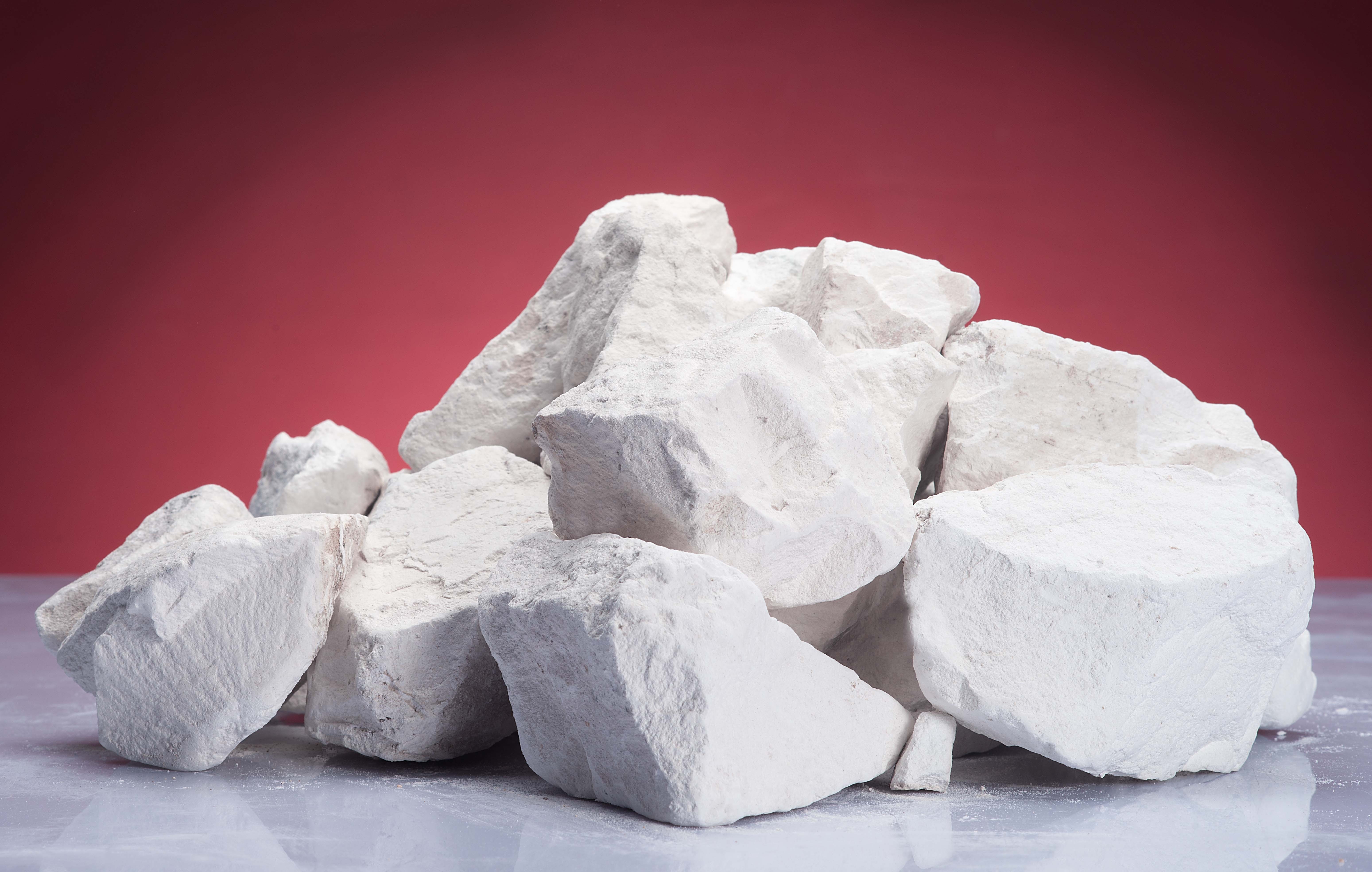
Chemical & Mineral Industries Pvt. Ltd. manufactures Quick Lime in multiple size distributions to suit diverse dosing systems. For plants equipped with on-site detention slakers or paste slakers, lump sizes such as 25-75 mm or 5-25 mm provide steady feeding with low airborne dust. Facilities utilizing dry pneumatic injection systems or batch dissolving tanks often select 0-3 mm powder, 200 Mesh, or 300 Mesh powder for accelerated hydration. Fine powders dissolve quickly, allowing rapid pH correction in equalizing basins with brief hydraulic retention times. Selecting the proper physical fraction ensures clean silo discharge, prevents bridging in dry feed hoppers, and maintains steady volumetric metering into the effluent stream.
CMIPL Production Capacity and Quality Certifications
Founded in 1967 in Jodhpur, Rajasthan, CMIPL operates three lime kilns with a combined production capacity of 1200 TPD, including a pet-coke fired Twin-D lime kiln at Boranada. CMIPL is ZED Certified by the Ministry of MSME of India. Its lime supplies water treatment, paper, steel and chemical processing.
Bulk Logistics and Delivery via Industrial Tankers across India
Managing continuous water treatment requires an uninterrupted mineral supply chain. Packing and delivery depend on how your plant unloads, so ask the supplier which packing options and delivery schedule suit your silo or slaker. When requesting supply quotations, plant procurement managers provide their monthly tonnage requirements, preferred fraction, delivery point, and unloading equipment specifications.
Frequently asked questions
Why is quick lime chosen over caustic soda in effluent treatment plants?
Quick lime provides higher neutralizing value per dry ton and produces a denser, more crystalline sludge cake compared to the gelatinous flocs formed by caustic soda. This reduces sludge volume, improves mechanical dewatering efficiency, and lowers overall chemical procurement costs.
Can quick lime suppliers state the available CaO for 200 Mesh powder?
Purity specifications depend on the source limestone deposits and kiln operating parameters. Buyers should ask suppliers for batch-specific test certificates that document available CaO, acid-insoluble content, and mesh sizing rather than relying on unverified claims.
How does quick lime assist in removing heavy metals from wastewater?
When quick lime raises the wastewater pH into the alkaline range, soluble heavy metals such as copper, zinc, and nickel convert into insoluble metal hydroxides that coagulate and settle out during clarification.
What is the difference between dosing quick lime and hydrated lime in an ETP?
Quick lime (calcium oxide) requires on-site slaking with water in a dedicated slaker to create a milk of lime slurry, releasing significant heat during hydration. Hydrated lime (calcium hydroxide) is already pre-slaked and can be mixed directly with water in simple slurry tanks without exothermic reactions.
What particle sizes of quick lime are available for industrial water treatment?
CMIPL produces quick lime in various physical fractions, including 25-75 mm lumps, 5-25 mm pebbles, 0-3 mm powder, 200 Mesh, and 300 Mesh powders to accommodate both mechanical slakers and dry injection systems.
How does quick lime condition wastewater sludge before mechanical pressing?
The calcium ions in quick lime neutralize negative surface charges on organic sludge particles, promoting agglomeration and releasing bound moisture. The associated pH increase also sanitizes biological sludge and reduces volatile organic odors.
How do buyers request pricing for bulk quick lime orders from CMIPL?
Pricing is quoted per order based on volume, delivery and specification. Send your monthly tonnage, target fraction and delivery location.
Contact CMIPL in Jodhpur with your monthly tonnage, required lime fraction and delivery destination.