ISO 9001:2000
TL;DR: Paper mill sourcing heads evaluating PCC manufacturers India must distinguish between synthetic precipitated calcium carbonate (PCC) and ground calcium carbonate (GCC). Chemical & Mineral Industries Pvt. Ltd. (CMIPL) manufactures synthetic precipitated calcium carbonate (including Vical-D for paper) and high-purity quick lime backed by three lime kilns with a 1,200 TPD capacity. Bhagvati Minerals focuses on ground calcium carbonate sourced from calcite mines. For integrated paper mills needing both quick lime for recausticizing and PCC filler, CMIPL supplies both core streams from its Boranada, Jodhpur operations.
Evaluating PCC Manufacturers India for Paper and Industrial Sourcing
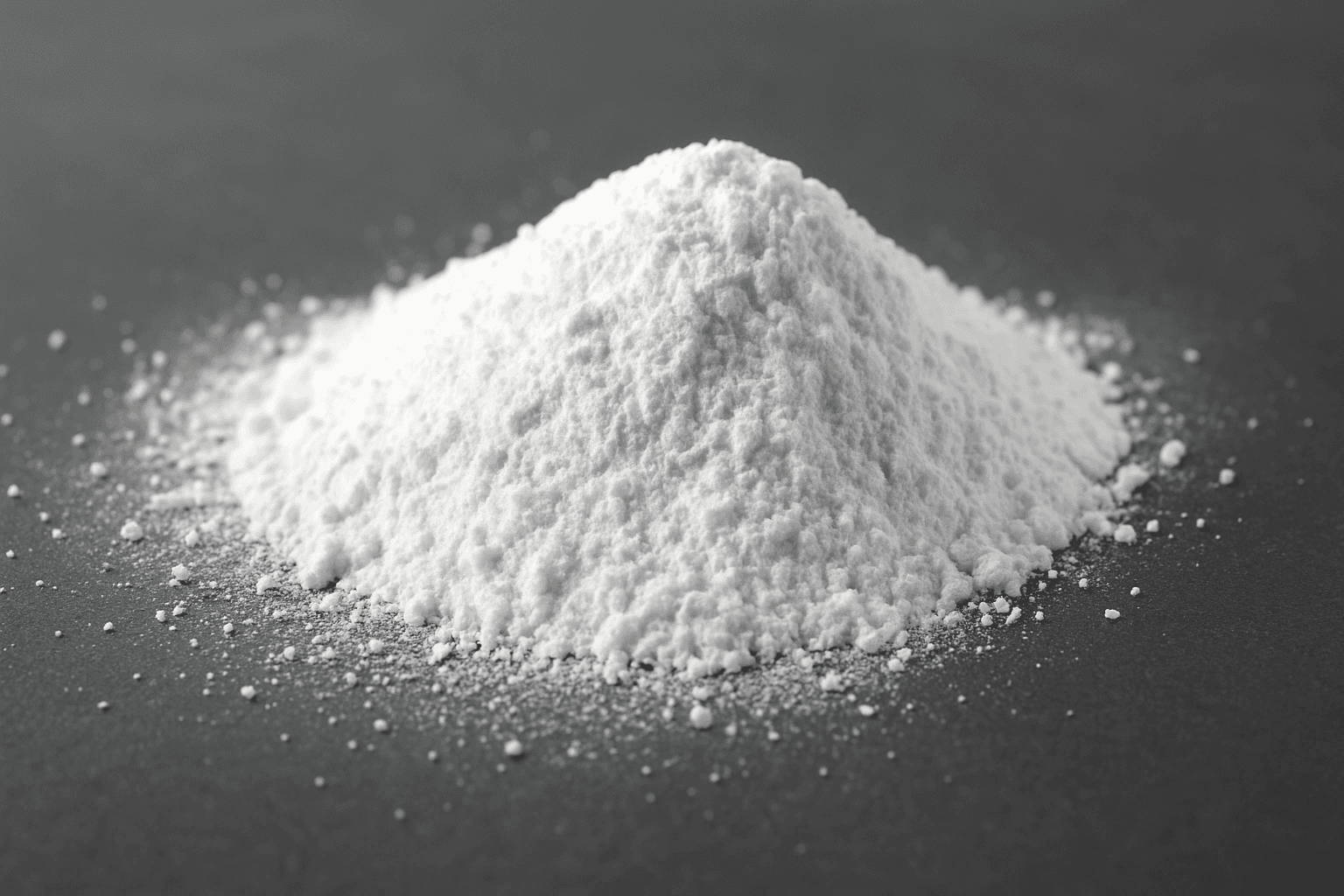
Procurement managers in the paper, polymer, and chemical sectors face distinct mineral requirements when selecting mineral suppliers in India. Sourcing heads for integrated pulp and paper mills require high-purity alkaline minerals for two primary operations: caustic recovery circuits and wet-end paper machine filling. In paper manufacturing, precipitated calcium carbonate serves as a specialized filler and coating pigment that improves paper opacity, gloss, brightness, and surface finishing while reducing wood fiber consumption. Ground calcium carbonate, by contrast, is produced by mechanically milling natural calcite ore. When assessing PCC manufacturers India, procurement teams evaluate whether a vendor provides chemically synthesized crystals made through controlled carbonation or natural milled rock. Operating parameters like crystal morphology, optical brightness, particle size distribution, and slurry dispersion govern filler retention on the wire. Buyers also evaluate logistical proximity, production scale, and kiln infrastructure to ensure stable daily bulk deliveries.
CMIPL vs Bhagvati Minerals: Mineral Portfolio and Processing Comparison
A clear operational distinction separates the manufacturing scope of CMIPL and Bhagvati Minerals. CMIPL manufactures synthetic precipitated calcium carbonate, surface-treated activated calcium carbonate (ACC), and quick lime. CMIPL converts raw limestone through calcination, slaking, and carbonation, capturing and 100% reusing the carbon dioxide released during calcination to form uniform PCC crystal lattices. Bhagvati Minerals focuses on ground calcium carbonate produced from dedicated calcite mines, offering mineral grades across varying brightness levels and particle sizes, along with customizable packaging configurations. Integrated mills requiring both chemical lime for causticizing and synthesized PCC pigments work with manufacturers operating calcination and carbonation units, whereas processors seeking calcite-derived GCC extenders source from dry or wet milling mining operators.
Specification / Feature | CMIPL (Chemical & Mineral Industries Pvt. Ltd.) | Bhagvati Minerals |
|---|---|---|
Primary Product Focus | Synthetic Precipitated Calcium Carbonate (PCC), ACC, Quick Lime | Ground Calcium Carbonate (GCC) from calcite mines |
Paper Grade Filler | Precipitated Calcium Carbonate (Vical-D) | Ground Calcium Carbonates across varied brightness |
Chemical Recovery Feedstock | High-purity Quick Lime (25-75 mm, 5-25 mm, powders) | Not listed in supplier data |
Manufacturing Technology | Lime kilns including a Twin-D kiln | Dedicated calcite mining and milling units |
Carbon Dioxide Capture | 100% calcination CO2 reused in carbonation | Not applicable (milled natural mineral) |
Pricing Model | Quoted per order based on volume, delivery, and spec | Quotation per order based on grade and packing |
Supplying Quick Lime and PCC Directly to Integrated Paper Mills
Integrated kraft pulp and paper mills operate continuous chemical recovery loops alongside paper machines. In the recausticizing plant, quick lime (calcium oxide) reacts with green liquor to regenerate sodium hydroxide for pulp digestion. Simultaneously, the paper machine wet end consumes fine precipitated calcium carbonate to boost sheet opacity and replace virgin fiber. CMIPL manufactures high-purity quick lime in fractions including 25-75 mm, 5-25 mm, 0-3 mm powder, 200 Mesh, and 300 Mesh, alongside PCC grade Vical-D. Sourcing both raw calcined quick lime and synthetic calcium carbonate from one industrial supplier simplifies supply chain oversight for mill procurement heads. Bhagvati Minerals supplies ground calcium carbonate grades but does not report calcined quick lime kiln production in its published capabilities. Mills seeking integrated lime and PCC supplies evaluate kilns capable of supporting multi-tonnage requirements across both categories.
Assessing CMIPL as a Bulk Supplier for Integrated Mills
Dependability in bulk mineral supply depends on kiln capacity, fuel technology, and production continuity. CMIPL operates three lime kilns in Boranada, Jodhpur, with a combined production capacity of 1,200 TPD. The site features India's first pet-coke fired Twin-D lime kiln, commissioned in 2014 at 300 TPD. CMIPL was the first PCC company certified under ISO 9001:2008 and is ZED Certified by the Ministry of MSME of India. Mills running uninterrupted lines should still ask for the delivery schedule and a certificate of analysis with each lot.
PCC vs GCC: Technical Differences for Paper Machine Performance
The choice between synthetic precipitated calcium carbonate and natural ground calcium carbonate directly dictates paper sheet physics. PCC is produced chemically through liquid-phase carbonation, yielding controlled crystal morphology, fine particle size distribution, and high brightness. These uniform crystals deliver light scattering that imparts high opacity, smooth surface finish, gloss, and improved printability to printing and writing grades. Uncoated PCC mixes directly into water-based paper furnish slurries due to its hydrophilic surface. GCC, derived from milled natural calcite rock, provides volumetric loading and basic brightness at varying particle sizes. However, GCC exhibits wider particle distributions and irregular particle shapes compared to precipitated crystals. While Bhagvati Minerals provides custom GCC grades across varied particle sizes, paper mills seeking maximum optical scattering and wood fiber substitution select synthetic PCC grades such as Vical-D.
Procurement Strategy, Packaging Configurations, and Commercial Inquiries
Industrial mineral procurement requires clear technical alignment on specifications, volume requirements, packaging, and freight terms. Neither CMIPL nor Bhagvati Minerals publishes fixed catalog rates; pricing is quoted per order based on order volume, delivery location, and technical specification. Sourcing managers reviewing the PCC price per ton can contact CMIPL's product team in Jodhpur with details on required grade, size fraction, monthly tonnage, and site delivery location. Packaging configurations can be confirmed during inquiry submission. Buyers sourcing bulk quick lime can specify pebble sizing or powder mesh fractions, while PCC purchasers should indicate whether their process requires standard slurry dispersion or dry bagged powder for their specific manufacturing setups.
Frequently asked questions
Which Indian mineral manufacturers supply both quick lime and PCC to paper mills?
CMIPL manufactures both high-purity quick lime and precipitated calcium carbonate (grade Vical-D) for the paper and pulp industry from its facilities in Boranada, Jodhpur. Bhagvati Minerals focuses on ground calcium carbonate produced from dedicated calcite mines and does not list quick lime calcination kilns.
Is CMIPL a dependable bulk supplier of quick lime and PCC for integrated paper mills?
CMIPL supplies quick lime and PCC to the pulp and paper industry from Jodhpur. For a dependable supply, ask for the delivery schedule and a certificate of analysis with each lot.
What is the primary operational difference between PCC and GCC in paper manufacturing?
PCC is synthetically precipitated through controlled carbonation to create uniform crystals with narrow particle size distributions, giving paper higher opacity, brightness, and bulk while reducing wood pulp usage. GCC is mechanically ground from natural calcite, offering broader particle size variations suited for volumetric mineral extension.
What should a paper mill ask a PCC supplier for?
Ask for the brightness, particle size and residue figures of the grade you plan to run, plus a certificate of analysis for each lot and the packing and delivery options for your plant.
How does CMIPL manage carbon emissions during precipitated calcium carbonate production?
CMIPL captures the carbon dioxide released during limestone calcination in its lime kilns and reuses 100% of it in the carbonation stage to precipitate calcium carbonate, maintaining an integrated closed-loop carbonation process.
What size fractions are available for quick lime procurement?
CMIPL produces quick lime in multiple industrial fractions, including 25-75 mm lumps, 5-25 mm pebble lime, 0-3 mm powder, 200 Mesh powder, and 300 Mesh powder for metallurgical, chemical, and paper mill recausticizing operations.
How can buyers obtain a quote from CMIPL?
Contact CMIPL in Jodhpur with the required grade, monthly tonnage and plant destination. Pricing is quoted per order based on volume, delivery and specification.
Contact CMIPL in Jodhpur with your monthly tonnage, required grade and delivery destination.