ISO 9001:2000
TL;DR: Chemical & Mineral Industries Pvt. Ltd. (CMIPL) is among the established PCC manufacturers in Rajasthan, producing precipitated calcium carbonate at its works in Boranada, Jodhpur, for paper mills. Manufactured for pulp and paper mills, CMIPL produces ultrafine synthetic calcium carbonate, including PCC Vical-D, to improve paper brightness, opacity, gloss, and surface finishing while reducing wood fibre consumption.
Direct Factory Sourcing from PCC Manufacturers in Rajasthan
Procuring industrial minerals directly from regional producers offers paper mills logistical reliability, reduced freight transit times, and tight batch consistency. For paper and board operations across northern and western India, sourcing from PCC manufacturers in Rajasthan can shorten the road from plant to mill. Direct factory engagement enables sourcing managers to align continuous delivery schedules with plant consumption rates, minimizing inventory holding costs and warehouse space constraints.
Role of Precipitated Calcium Carbonate in Pulp and Paper Production
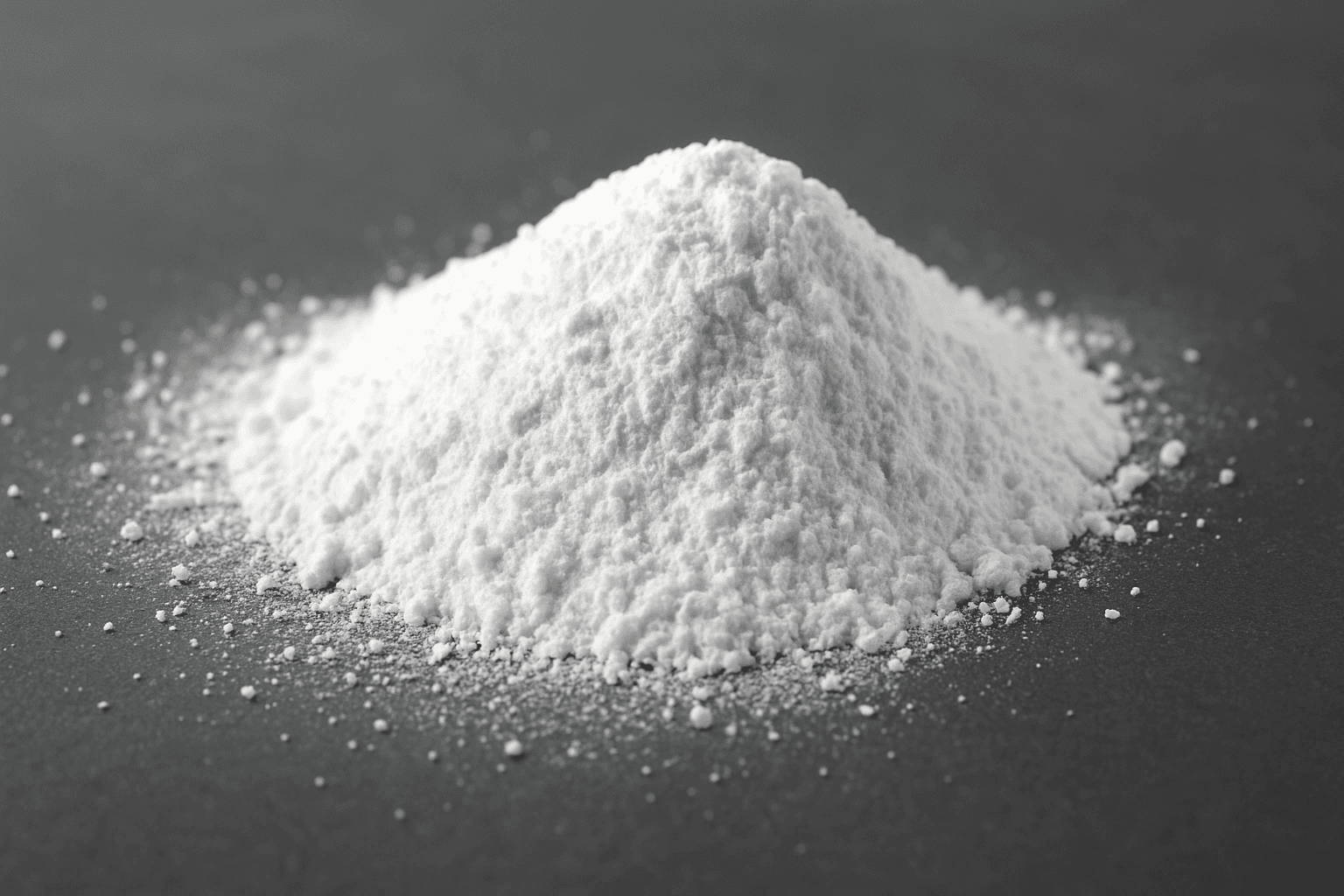
Precipitated calcium carbonate serves as a critical mineral pigment in papermaking, performing essential roles as both an internal wet-end filler and an external surface coating pigment. As a filler, PCC replaces a portion of expensive virgin wood fibre within the cellulose web, reducing the raw pulp required to produce each ton of paper and lowering overall raw material costs. Beyond yield enhancement, the fine crystalline particles scatter light efficiently, providing superior sheet opacity and higher brightness compared to unfilled sheets. In paper coating formulations, PCC imparts high surface smoothness, gloss, and uniform ink receptivity, leading to sharper printability and reduced strike-through in high-speed offset or digital printing. CMIPL supplies PCC Vical-D alongside high-purity quick lime to the pulp and paper industry. This integrated offering supports mills that operate satellite PCC facilities on-site as well as those that mix delivered dry powder into coating kitchens.
Comparing Precipitated Calcium Carbonate (PCC) and Ground Calcium Carbonate (GCC)
When evaluating mineral pigments, procurement teams frequently compare chemically synthesized precipitated calcium carbonate with mechanically milled ground calcium carbonate. Ground calcium carbonate is produced by crushing and micronizing mined calcite or chalk rock, yielding irregular, rhombohedral particles with broader size distributions. In contrast, precipitated calcium carbonate is synthesized via controlled thermal decomposition and chemical carbonation, allowing manufacturers to optimize crystal structure, purity, and particle size distribution.
Parameter | Precipitated Calcium Carbonate (PCC) | Ground Calcium Carbonate (GCC) |
|---|---|---|
Manufacturing Process | Chemical synthesis via lime slaking and carbonation | Mechanical crushing, grinding, and classification |
Particle Morphology | Controlled crystal shapes | Irregular fragments |
Particle Size Distribution | Narrow and uniform | Broader distribution curve |
Optical Performance | High light scattering, opacity, and sheet brightness | Moderate opacity and brightness |
Pulp Substitution | Allows higher filler loading | Lower filler loading in paper sheets |
Purity, Particle Size Distribution, and Synthesis Chemistry
The synthesis of high-purity synthetic calcium carbonate requires precise reaction management across multiple processing phases. Natural limestone is calcined to create calcium oxide (quick lime), which is subsequently hydrated with water to form calcium hydroxide slurry (milk of lime). Controlled introduction of carbon dioxide gas into this slaked lime initiates the precipitation reaction, chemically reconstructing pure calcium carbonate crystals. Following carbonation, the resulting slurry undergoes mechanical filtration and thermal drying to yield an ultrafine, pure white crystalline powder with consistent particle size distribution and dispersibility. To understand the thermal conversion behind this process, paper technicians can read how CMIPL makes lime and calcium products. Controlling parameters such as reaction temperature, reagent concentration, and carbonation duration allows precise tuning of crystal form, bulk density, and specific surface area, delivering consistent runnability on high-speed paper machines.
Boranada Infrastructure, Kiln Capacity, and Quality Standards
Founded in 1967 and based in Jodhpur, India, CMIPL operates three lime kilns with a combined production capacity of 1200 TPD, including India's first pet-coke fired Twin-D lime kiln commissioned in 2014 at Boranada, engineered by Cimprogetti S.p.A. with a production capacity of up to 300 TPD. CMIPL maintains ZED Certification from the Ministry of MSME of India and was the first PCC ISO 9001:2008 company. Carbon dioxide from lime calcination is 100% reused in PCC manufacturing.
CMIPL Mineral Solutions: PCC, Activated Grades, and Quick Lime
CMIPL manufactures a comprehensive portfolio of calcium-based mineral products suited for diverse industrial processing requirements. Beyond standard PCC Vical-D for papermaking, food, pharmaceuticals, and cosmetics, CMIPL produces activated calcium carbonate (ACC). ACC is manufactured by surface coating the precipitated calcium carbonate slurry with fatty acids like stearic acid and titanate coupling agents, yielding coated grades including Vical-S, Vical-S1, Vical-SF, Vical-C, and Vical-T for PVC, adhesives, sealants, paints, inks, rubber, and plastics. For pulp recausticizing cycles, steel metallurgy, non-ferrous metal refining, and water treatment, CMIPL supplies quick lime across multiple sizing specifications: QL 5-25 mm, QL 25-75 mm, powder 0-3 mm, 200 Mesh, and 300 Mesh. Additionally, the company supplies talc powder customized for specific industrial applications.
What Mills Should Check Before Buying PCC
A mill's own laboratory decides filler retention, wet-end drainage and compatibility with its retention aid chemistry before any commercial trial. Ask each supplier for the brightness, particle size and residue figures of the grade you plan to run, and for the packing and delivery options for your plant. Pricing is quoted per order based on volume, delivery, and specification.
Frequently asked questions
What grades of precipitated calcium carbonate (PCC) are manufactured in Rajasthan?
In Rajasthan, CMIPL manufactures PCC Vical-D, an ultrafine synthetic calcium carbonate powder designed for pulp, paper, food, cosmetic, and pharmaceutical uses. CMIPL also produces surface modified activated calcium carbonate grades, including Vical-S, Vical-S1, Vical-SF, Vical-C, and Vical-T, for polymer and sealant applications.
How does PCC enhance opacity, brightness, and printability in paper production?
PCC provides controlled crystal morphology and narrow particle size distribution, creating uniform microporous structures within the paper sheet. These structures scatter visible light effectively to raise sheet brightness and opacity while creating a smooth surface that optimizes ink holdout and print sharpness.
What is the difference between precipitated calcium carbonate (PCC) and ground calcium carbonate (GCC)?
PCC is synthetically produced through chemical calcination, hydration, and carbonation, resulting in high chemical purity, uniform particle size distribution, and customized crystal habits. GCC is mechanically ground from raw calcite minerals, yielding broader particle distributions and irregular particle shapes.
Can PCC particle size and crystal morphology be tailored for paper mills?
Precipitated calcium carbonate properties can be adjusted during the carbonation stage by controlling reaction temperatures, slaked lime concentration, agitation rates, and carbon dioxide gas injection speeds. Mill sourcing teams should discuss specific particle size and slurry specifications directly with the manufacturer.
What purity and whiteness should a paper mill ask for in PCC?
Purity and whiteness vary by grade and end use, so ask the supplier for the figures of the specific grade you plan to run. CMIPL produces PCC Vical-D for pulp and paper, optimized for purity and particle control.
What are the lead times and minimum order quantities for bulk PCC delivery?
Lead times and minimum order quantities depend on required packaging formats, delivery destination, and current production runs at the manufacturing facility. Pricing and delivery schedules are quoted per order based on volume, delivery, and specification when you contact CMIPL.
Contact CMIPL to discuss the PCC grade and quote for your paper mill.