ISO 9001:2000
TL;DR: The metallurgy industry encompasses the commercial processing and chemical refining of metals from natural ores into engineering materials. Efficient metal recovery across ferrous and non-ferrous refining depends on precise thermal and chemical control. Calcium-based fluxes, especially quick lime, are critical reagents in smelting and refining. They eliminate sulfur and silica impurities, promote basic slag formation, and improve thermal efficiency across industrial operations.
Extraction Methodologies: Pyrometallurgy, Hydrometallurgy, and Electrometallurgy
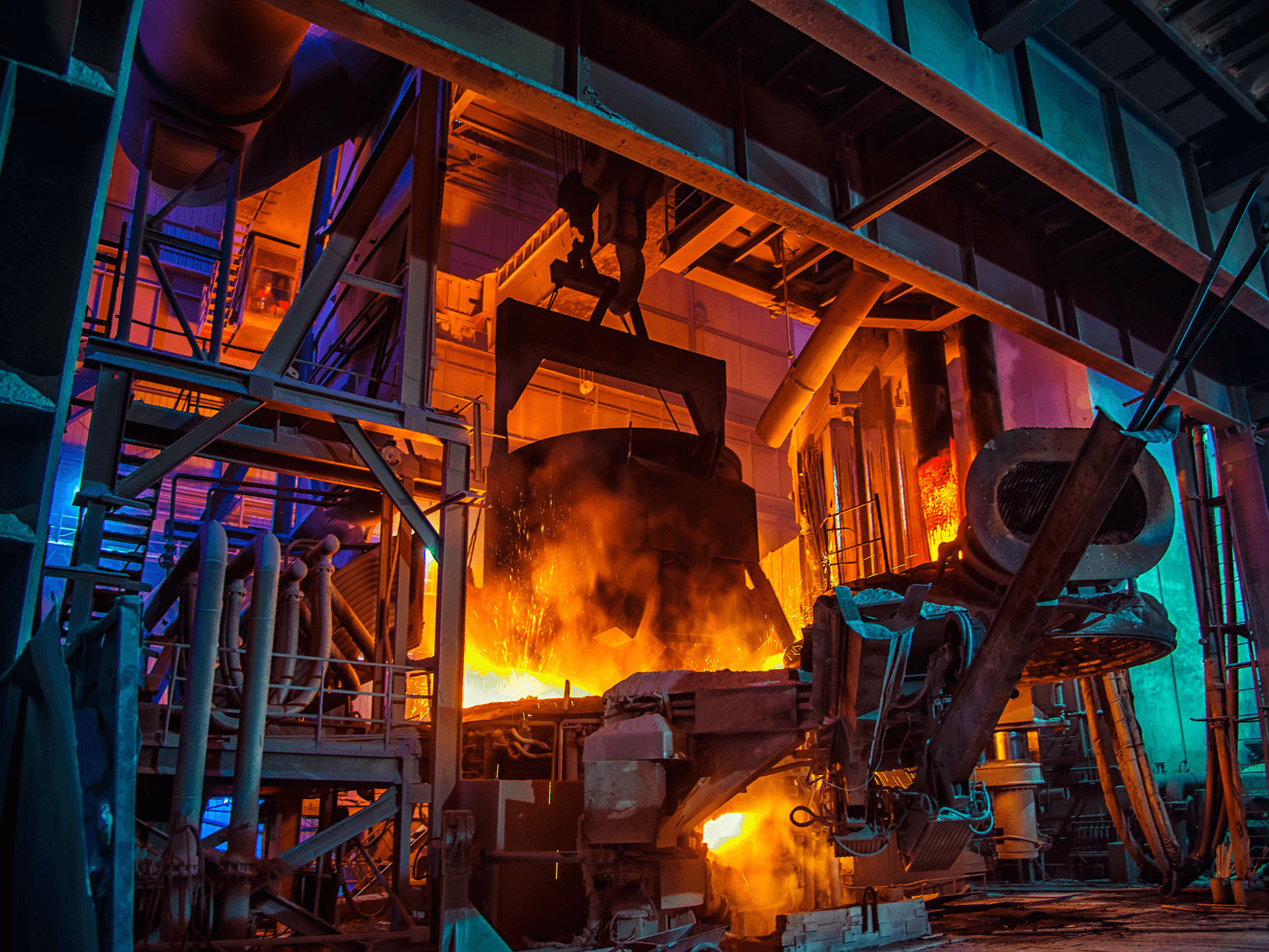
Metal processors apply distinct metallurgical extraction routes based on mineralogy, ore grade, and thermodynamic stability. Pyrometallurgy employs high temperatures to initiate chemical reactions and phase changes. Industrial smelting furnaces and converters melt raw concentrates, separating heavy molten metals from lighter molten slag. Pyrometallurgical pathways are critical for processing iron, crude copper, lead, and nickel.
Hydrometallurgy uses aqueous chemical solutions to extract valuable metals from lower-grade ores, tailings, and oxidized minerals. Reagents selectively leach target elements into a pregnant solution. Subsequent clarification, solvent extraction, and precipitation isolate the dissolved metal ions, enabling economical extraction from complex deposits where direct thermal smelting is not viable.
Electrometallurgy utilizes electrical energy to drive electrochemical reduction and purification reactions. Frequently functioning as the terminal refining phase of hydrometallurgical operations or molten salt electrolysis, electrometallurgical systems precipitate high-purity cathode sheets. Commercial electrowinning and electrorefining produce market-grade copper, zinc, and aluminum cathodes, ensuring maximum electrical conductivity and elemental cleanliness.
Ferrous and Non-Ferrous Metallurgical Operations
Metallurgical processing is categorized into ferrous and non-ferrous sectors based on iron content. Ferrous metallurgy represents substantial industrial tonnage, centering on the production of pig iron, carbon steels, and specialized steel alloys. Basic oxygen furnaces and electric arc furnaces process scrap and hot metal, requiring chemical fluxes to oxidize phosphorus and sulfur into a basic slag layer.
Non-ferrous metallurgy addresses all metallic elements where iron is not the principal component, encompassing copper, aluminum, zinc, lead, and precious metals. Operating parameters in non-ferrous plants differ substantially from steelmaking due to lower melting points, distinct oxidation kinetics, and specialized chemical interactions. For example, lime is essential to the production of non-ferrous metals: it is used to beneficiate copper ore, to make alumina and magnesia for use in aluminum and magnesium manufacture, to extract uranium, and to recover gold and silver. Non-ferrous operations rely on targeted chemical reagents to minimize valuable metal loss in furnace discard streams.
The Role of Quick Lime and Fluxes in Smelting and Refining
Chemical fluxes perform essential thermodynamic and purifying functions in metal plants, and metallurgical quick lime is the most common of them. Among industrial fluxes, quick lime (calcium oxide) is widely utilized during high-temperature smelting, basic oxygen steelmaking, and secondary ladle refining. Quick lime is an essential material in various metallurgical processes. It acts as a flux in non-ferrous metal refining (like copper, zinc, lead, and aluminum), helping remove impurities such as sulfur and silica during smelting. It also enhances slag formation, improves thermal efficiency, and contributes to higher metal recovery rates.
When quick lime dissolves into molten metal baths, it binds rapidly with acidic gangue minerals, converting silica and alumina into an immiscible liquid slag that floats over the molten metal. This slag absorbs unwanted non-metallic inclusions, protects furnace refractories from chemical erosion, minimizes atmospheric gas pickup, and insulates molten metal against excessive heat loss. Consistent lime sizing and high chemical reactivity facilitate rapid slag creation, lowering furnace cycle times and preserving refractory lining integrity.
CMIPL Industrial Mineral Capabilities for Metallurgy
Chemical & Mineral Industries Pvt. Ltd. (CMIPL), founded in 1967 in Jodhpur, India, manufactures high calcium products for metallurgical applications. The company operates three lime kilns with a combined production capacity of 1200 TPD, including pet-coke fired Twin-D lime kilns. We supply quick lime grades ranging from QL 25-75 mm to 300 Mesh powder for metallurgical processes, alongside sizes including 5-25 mm, powder 0-3 mm, and 200 Mesh.
The performance of quick lime in furnaces depends on controlled chemical reactivity. Metallurgical operators can review the Applications of Our Products to evaluate suitable flux grades for steelmaking and smelting. Whichever supplier you use, ask for a certificate of analysis and a reactivity result with each lot, since both decide how fast the lime forms slag.
Frequently asked questions
What role does quick lime play in metallurgical refining and smelting?
Quick lime functions as a basic flux that neutralizes acidic impurities such as silica and sulfur. By reacting with these oxides, it generates a fluid, protective slag layer that improves thermal efficiency and elevates metal recovery rates.
How does non-ferrous metallurgy utilize lime products?
Lime is used to beneficiate copper ore, manufacture alumina and magnesia for aluminum and magnesium production, recover gold and silver, and extract uranium. It also serves as a flux during copper, zinc, lead, and aluminum refining.
What is the distinction between ferrous and non-ferrous metallurgy?
Ferrous metallurgy focuses on iron-based materials, including carbon steel, alloy steel, and pig iron. Non-ferrous metallurgy processes all metallic elements where iron is not the main constituent, such as copper, aluminum, nickel, and precious metals.
What quick lime grades does CMIPL supply for metallurgical operations?
CMIPL supplies quick lime grades ranging from QL 25-75 mm to 300 Mesh powder for metallurgical processes, as well as sizes including 5-25 mm, powder 0-3 mm, and 200 Mesh.
Where can industrial procurement teams source metallurgical quick lime from CMIPL?
Buyers can contact CMIPL in Jodhpur with the size, monthly tonnage and delivery location; pricing is quoted per order based on volume, delivery and specification.
Contact CMIPL to discuss the quick lime size and chemistry your furnaces need.