ISO 9001:2000
TL;DR: Procuring mineral fillers for polymer compounding, coatings, and specialized manufacturing requires assessing kiln capacity, carbonation stability, and surface chemistry. As one of the established calcium carbonate manufacturers in India, Chemical & Mineral Industries Pvt. Ltd. (CMIPL) delivers precipitated calcium carbonate (PCC) and surface-modified activated calcium carbonate (ACC) backed by a 1200 TPD lime kiln capacity. For compounding managers, CMIPL provides tailored mineral solutions that balance purity, dispersion, and mechanical reinforcement across high-volume industrial processing lines.
Evaluating Calcium Carbonate Manufacturers in India for Industrial Formulations
Selecting qualified calcium carbonate manufacturers in India is a critical technical decision for PVC compounding managers, masterbatch producers, and industrial formulators. The performance of calcium carbonate within polymer matrices and chemical emulsions depends heavily on the source limestone, calcination thermal control, and downstream precipitation. In extrusion and injection moulding, an inconsistent mineral filler can cause melt fracture, screw wear, erratic torque, and uneven impact resistance across finished rigid PVC pipes and profiles.
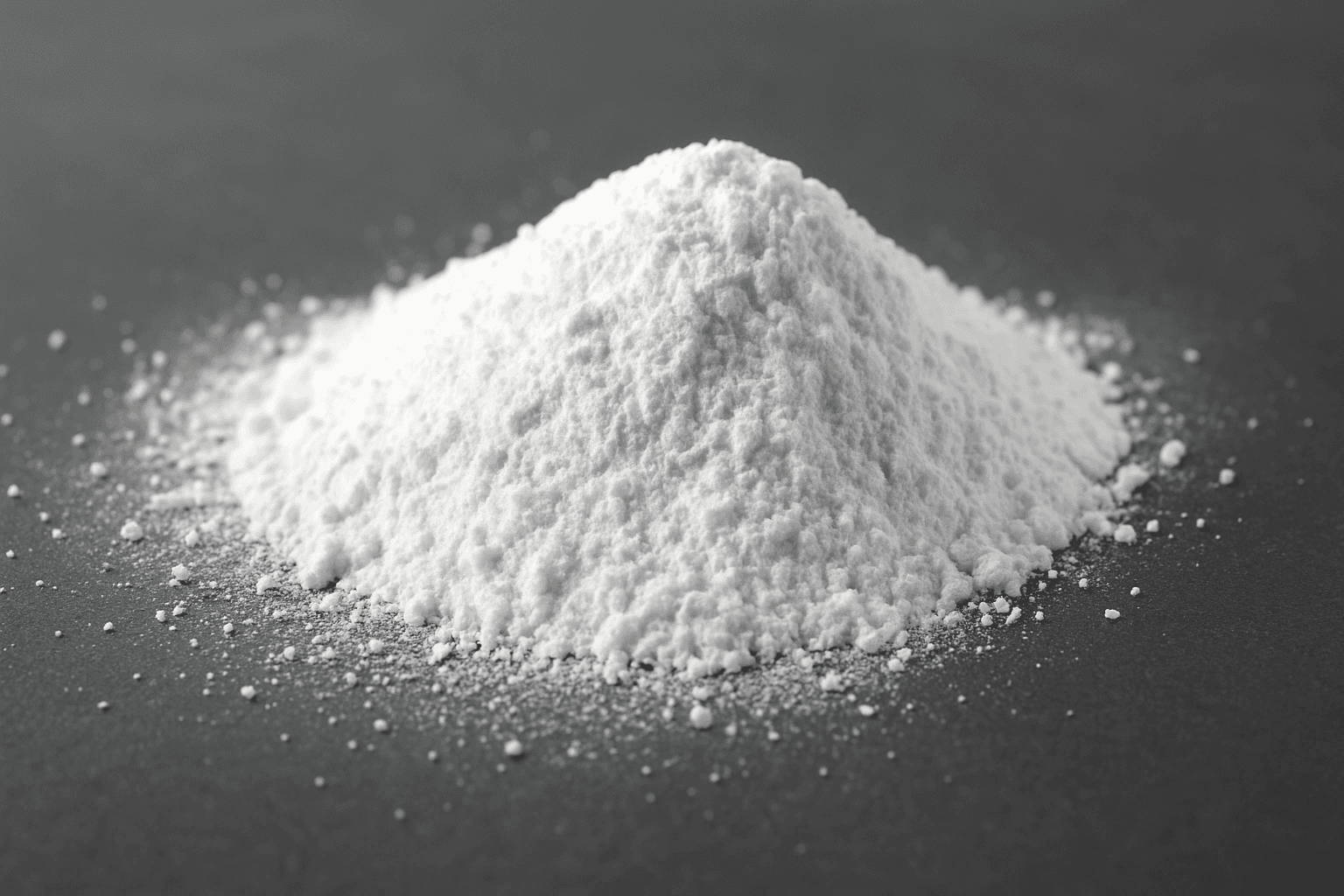
Industrial procurement teams must look beyond base pricing to examine mineral purity and crystalline integrity. Uncontrolled residual grit or variable free lime content accelerates degradation in heat-sensitive resins like PVC. Precipitated calcium carbonate, produced synthetically through controlled lime slaking and carbonation, offers crystalline consistency and narrow particle size distribution compared to raw ground limestone. Chemical & Mineral Industries Pvt. Ltd. manufactures ultrafine synthetic precipitated calcium carbonate powders and coated activated calcium carbonate designed to meet exacting polymer criteria. Formulators should ask suppliers for complete technical data sheets specifying particle size distribution, moisture, and chemical purity.
Kiln Infrastructure and Scale for Bulk PCC Manufacturers in India
Sustained production volume among bulk PCC manufacturers in India requires extensive calcination infrastructure and an uninterrupted carbon dioxide supply. Precipitated calcium carbonate synthesis begins with the thermal dissociation of limestone into calcium oxide and carbon dioxide gas, both of which serve as primary raw materials in subsequent slaking and carbonation stages.
Founded in 1967 and based in Boranada, Jodhpur, Chemical & Mineral Industries Pvt. Ltd. operates three lime kilns with a combined production capacity of 1200 TPD, including a pet-coke fired Twin-D lime kiln commissioned in 2014. Carbon dioxide from the calcination process is 100% reused in PCC manufacturing.
For bulk buyers, large-scale kiln capacity stabilizes the upstream supply of quick lime, protecting manufacturing schedules from raw material bottlenecks. Reusing calcination carbon dioxide gives the carbonation stage its own gas supply. When auditing bulk PCC manufacturers in India, procurement teams should verify that kiln capacity supports required monthly tonnage while maintaining steady gas stoichiometry during precipitation.
Surface-Modified Activated Calcium Carbonate for Polymer Compounding
In rigid PVC, flexible vinyl, and polymer compounding, untreated mineral fillers often agglomerate due to hydrophilic surface characteristics. Activated calcium carbonate (ACC) overcomes this interface challenge through surface chemical modification. As outlined in the process at CMIPL, activated calcium carbonate is produced by surface coating the precipitated calcium carbonate slurry with fatty acids, such as stearic acid, and a titanate coupling agent before filtering and drying into a fine powder.
This organic treatment converts hydrophilic calcium carbonate particles into hydrophobic surfaces that disperse thoroughly within PVC, polyolefins, and elastomer formulations. For PVC compounding managers, proper surface treatment lowers plastisol viscosity, reduces plasticizer absorption, and allows higher filler loading while keeping tensile strength and impact properties.
Attribute | Precipitated Calcium Carbonate (PCC) | Activated Calcium Carbonate (ACC) |
|---|---|---|
Surface Characteristic | Hydrophilic (uncoated) | Hydrophobic (fatty acid / coupling agent coated) |
Primary Polymer Action | Filler and opacity agent | Rheology control, dispersion, mechanical reinforcement |
Key Industrial Sectors | Paper, paints, rubber, oral care, food, pharma | PVC pipes, profiles, plastics, cables, sealants |
CMIPL Product Grades | Vical-D | Vical-S, Vical-S1, Vical-SF, Vical-C, Vical-T |
CMIPL supplies ACC grades including Vical-S, Vical-S1, Vical-SF, Vical-C, and Vical-T tailored for PVC pipes, profiles, cables, adhesives, sealants, leather, and rubber.
Carbonation Control and Lot Consistency for Paint Extenders and Inks
Industrial coating and printing ink formulations require extenders that deliver stable viscosity, reliable tint strength, and uniform flatting characteristics. In paint manufacturing, precipitated calcium carbonate acts as a functional spacer for titanium dioxide, reducing formulation costs while maintaining dry film opacity and gloss balance.
Achieving consistent performance across successive production lots requires precise carbonation management. Following the calcination of high-purity limestone, the resulting quick lime is slaked under controlled conditions to form calcium hydroxide slurry. During carbonation, temperature, reactant concentration, and reaction time govern crystal growth and morphology. Stable processing prevents oversized agglomerates that cause paint seeder formation, poor scrub resistance, or irregular dry film finish.
CMIPL supplies precipitated calcium carbonate and activated grades to the paints and printing inks sector. Its manufacturing flow, shown on how CMIPL makes lime and calcium products, converts natural limestone into quick lime, PCC, and ACC through monitored precipitation stages. Paint formulators sourcing mineral extenders should evaluate batch-to-batch particle uniformity and confirm that the supplier maintains tight control over carbonation reaction kinetics.
High Purity PCC for Oral Care, Food, and Pharmaceutical Supply Chains
Regulated sectors like oral care, pharmaceuticals, and food manufacturing require synthetic calcium carbonate that satisfies strict chemical purity and microbiological criteria. Unlike ground calcite, precipitated calcium carbonate is synthesized through a multi-stage chemical process that separates insolubles and acid-resistant grit during slaking and filtration.
In oral care, PCC functions as a polishing and cleaning abrasive in toothpaste formulations, requiring controlled particle size to deliver effective stain removal without damaging dental enamel. In food and pharmaceutical applications, calcium carbonate functions as an antacid active ingredient, a dietary calcium supplement, an opacity agent in tablet coatings, and a neutralizing agent in liquid dosage forms.
CMIPL provides PCC Vical-D for pulp and paper, food, pharma, and cosmetic applications, alongside toothpaste and rubber goods. The company holds ZED certification from the Ministry of MSME of India and was the first PCC ISO 9001:2008 company. Industrial buyers in personal care and food processing should verify supplier certifications and request lot test certificates verifying heavy metal limits, acid-insoluble residue, and brightness.
Bulk Procurement Logistics and Commercial Pricing Considerations
Managing supply reliability for high-volume mineral fillers requires planning transport logistics, bulk packaging, and contract pricing structures. When sourcing from CMIPL in Jodhpur, procurement teams must balance warehouse storage capacity with plant consumption rates to avoid moisture pickup in humid environments.
Commercial pricing for industrial calcium carbonate varies depending on grade, surface coating, purity requirements, and order volume. For uncoated grades, buyers can review the precipitated calcium carbonate price per ton to understand the factors driving baseline commercial quotes. Activated calcium carbonate with custom stearic acid coatings carries processing differentials compared to standard industrial fillers. CMIPL pricing is quoted per order based on volume, delivery, and specification.
Buyers should examine freight arrangements, moisture-resistant packaging specifications, and lead times to establish dependable inventory buffers. CMIPL manufactures and exports industrial minerals across diverse sectors, helping buyers align mineral specifications directly with plant production goals.
Frequently asked questions
What is the difference between precipitated calcium carbonate (PCC) and ground calcium carbonate (GCC)?
PCC is a synthetically manufactured mineral produced by calcining limestone into quick lime, slaking it into a slurry, and carbonating it with carbon dioxide. GCC is produced by mechanically grinding and classifying natural limestone or marble. PCC provides finer particle size control, higher chemical purity, and tailored crystal shapes compared to ground minerals.
What is coated or activated calcium carbonate?
Coated or activated calcium carbonate (ACC) is precipitated calcium carbonate whose particle surfaces have been treated with organic compounds like stearic acid or titanate coupling agents. This treatment renders the mineral hydrophobic, improving its compatibility, wetting, and dispersion when compounded into polymer matrices like PVC and rubber.
Which Indian PCC producers have the capacity for batch-to-batch consistency in oral care manufacturing?
Large-scale oral care manufacturing requires suppliers with sufficient kiln capacity and controlled carbonation to maintain uniform particle distribution and brightness. CMIPL supplies its PCC Vical-D grade for toothpaste and personal care applications. Buyers should evaluate production capacity and request detailed lot analysis.
How do manufacturers ensure lot consistency for paint extenders?
Manufacturers maintain lot consistency by closely managing limestone calcination, slaking water temperatures, and carbonation reaction times. Strict control over the carbon dioxide reaction ensures uniform crystal nucleation and avoids agglomeration. Buyers should review technical data sheets covering particle distribution and oil absorption for coating formulations.
Which certifications matter when sourcing calcium carbonate for food and cosmetic uses?
Buyers sourcing calcium carbonate for sensitive applications should look for ISO quality management systems and industrial standards such as ZED certification from the Ministry of MSME. CMIPL was the first PCC ISO 9001:2008 company and holds ZED certification. Buyers must also request compliance documentation confirming purity, heavy metal limits, and microbiological safety.
What industrial applications does CMIPL supply calcium carbonate to?
CMIPL supplies mineral solutions across diverse industries including PVC compounding, plastics, rubber, footwear, adhesives and sealants, paints and printing inks, paper and pulp, food, pharma, and cosmetics. Review the Applications of Our Products to identify specific mineral grades for your sector.
How is calcium carbonate pricing determined for bulk industrial orders?
Commercial pricing is quoted per order based on volume, delivery location, surface treatment, and technical specifications. Surface-treated activated grades require additional processing compared to standard precipitated powders. Buyers should contact suppliers directly with their volume requirements and delivery schedule to obtain formal quotations.
Connect with Chemical & Mineral Industries Pvt. Ltd. to discuss your technical specifications and request an industrial quotation for your compounding or manufacturing facility.